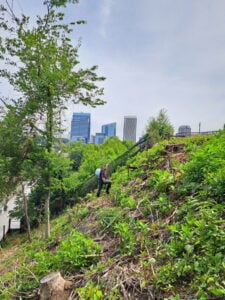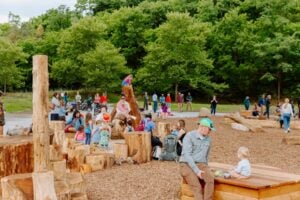

Wintertime generally means that things get a bit quieter around the Park. Cooler weather means that we don’t see our usual influx of bathers, swimmers and kayakers. Bouts of rain brings fewer hikers and cyclists to the trails. We still see our fair share of Park visitors, and fish don’t really recognize seasons, but things are a bit slower.
This doesn’t mean that there isn’t a ton going on in the Park!
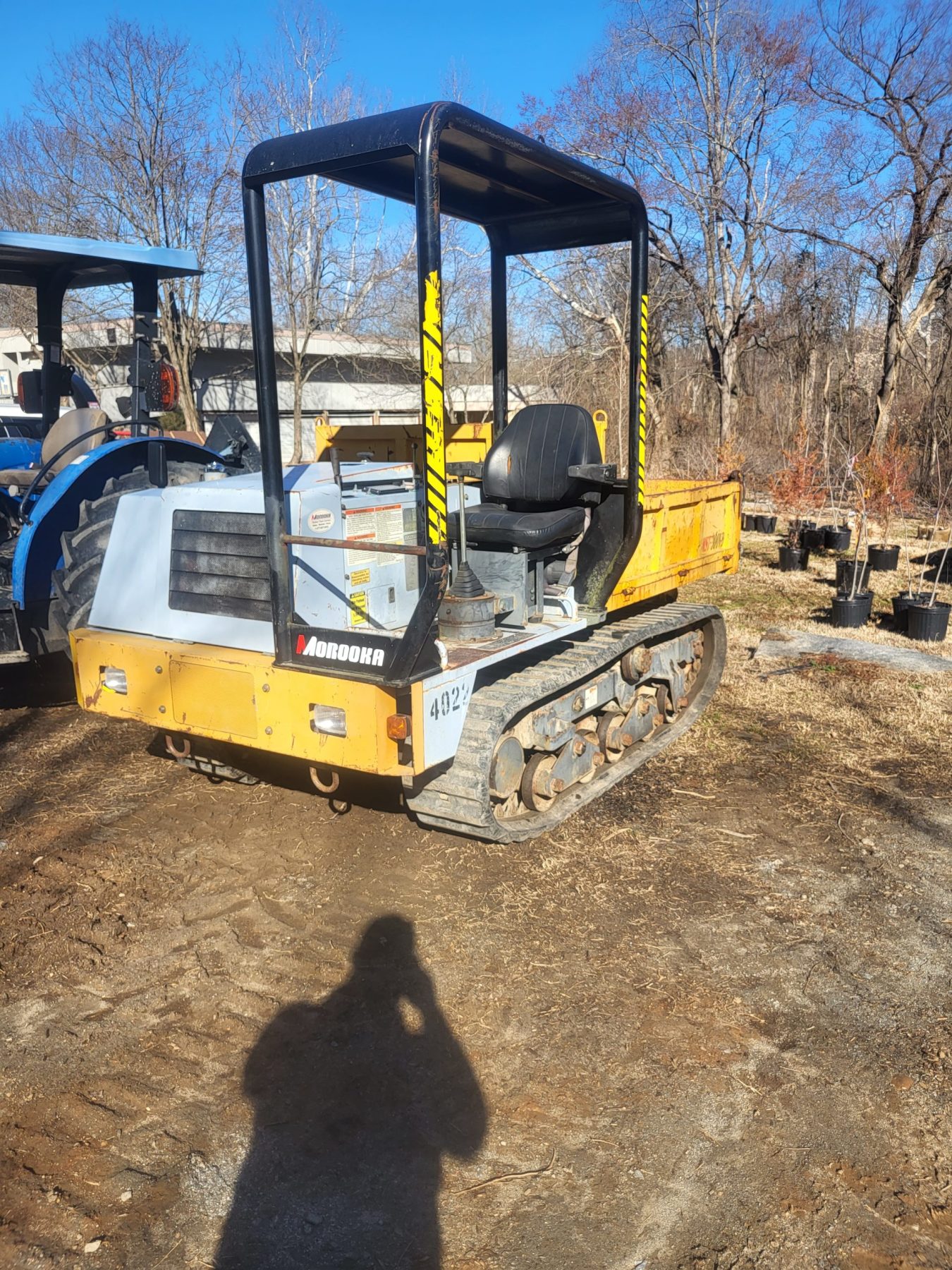 You may have seen our recent post on social media about a new piece of equipment for our Park Staff. That’s a Morooka MST300 Carrier. It’s sort of a cross between a bulldozer and a dump truck, and will make trail maintenance so much easier. It’s smaller and more nimble than larger pieces of equipment, so it can provide a much needed helping hand with minimal damage to the ecosystem. The Park Staff used to have to rent one any time they had a big project, but thanks to your support, the Friends of the James River Park System was able to buy a used one, saving the Staff a ton of money and time.
We also have an update on access to Texas Beach. If you recall, a structural analysis about a year ago found that the bridge that crosses the railroad tracks was deficient, and was determined to be a danger to anyone crossing it. The Department of Park Recreation & Community Facilities Capital Projects team is partnering with WRA LLC to work on developing plans for repair or replacement of the bridge. Looking through WRA’s portfolio, they’ve had a hand in some pretty environmentally and historically sensitive projects, so we’re glad to have this nationally recognized construction and engineering firm in our corner.
Finally, there’s a ton of action at Pony Pasture.
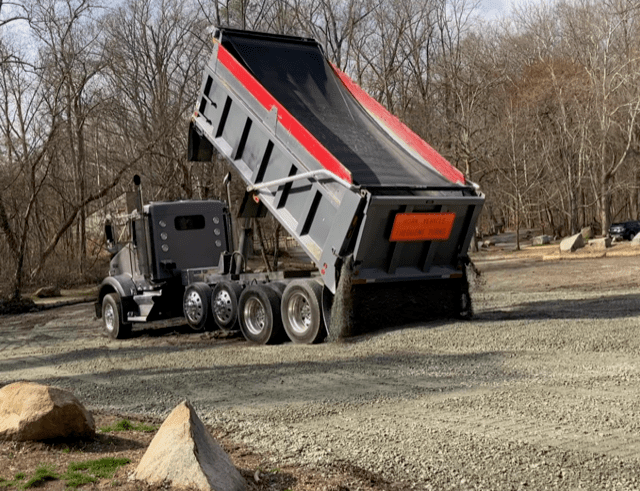
RPS operations staff and trails team is currently excavating asphalt at Pony Pasture Parking lot entrance, exit, and parking area, working in zones beginning at the far side of the lot and continuing toward the entrance and exits. This is a part of the JRPS quarterly projects plan. Parks and Recreation staff is proud to complete this project in-house, and estimates that the parking lot resurfacing will be complete by the end of February 2023. Four additional handicap accessible spaces will be added to the parking area, located near the Pony Pasture kiosk. A similar resurfacing project was completed at the parking area near Pump House at Boulevard Bridge in 2017.
Pony Pasture is also the site of a Supplemental Environmental Project (SEP) which is funded by Department of Public Utilities and has been active since 2022. As a part of this SEP, funding was made available for three initiatives: (1) invasive plant treatment in Pony Pasture and the Wetlands, (2) riparian restoration at Half Moon Beach and the mouth of Pleasant Creek in the Wetlands, (3) removal of Ash trees that present possible fall hazard. All of these projects are moving forward at Pony Pasture. Park visitors may note trees that have been recently downed along the Riverside Trail at Pony Pasture. The debris will be reduced over the next month as operations staff has capacity to mulch and disperse it. The riparian restoration projects took place on Wednesday Feb. 15 and Thursday, February 16 as a partnership between James River Park System and Wetland Studies and Solutions, Inc.
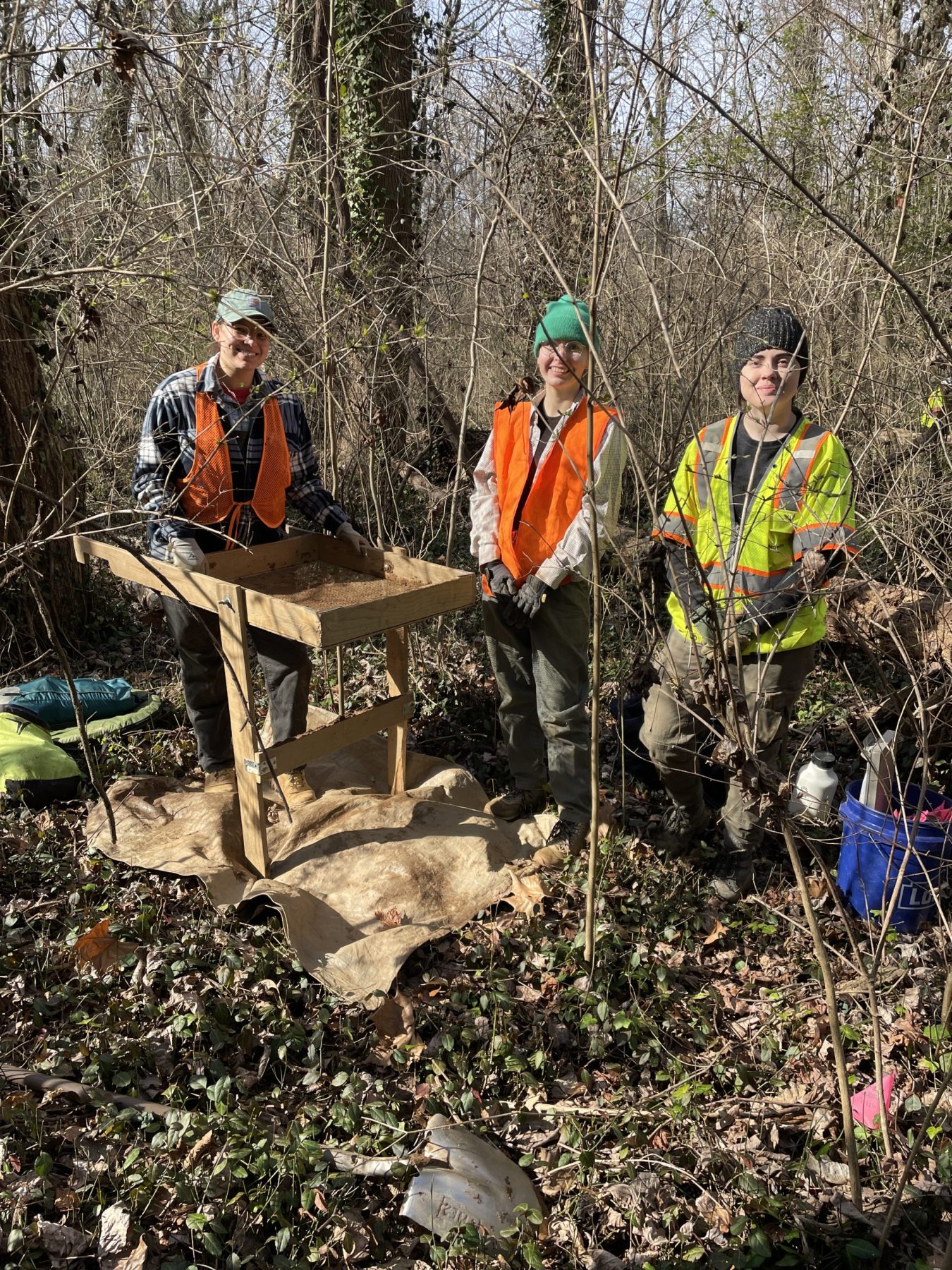 Lastly, an archeological survey initiated by the Department of Historic Resources, in partnership with archeology contractor Hurt & Proffitt, is underway in the Wetlands and Pony Pasture areas of James River Park System. The purpose of the survey is to identify all archaeological sites in areas vulnerable to flooding and storm events, and to preliminarily assess the eligibility of identified sites for listing in the National Register of Historic Places (NRHP). The total area to be surveyed is approximately 60 acres in the western portion of the Park, avoiding the wetland areas in the eastern portion. The archaeological survey has been conducted by a crew beginning on January 4th, 2023, over three 9-day sessions.
Shovel test pits are laid out and spaced 50 feet apart running north to south across the study are. The STPs are dug manually with round shovels by archaeologists and will measure 15 inches in diameter. All soil from the STPs is screened through mesh to facilitate artifact recovery, and then used to fill the STP back in. Known roadways, trails, and native flower beds are avoided. The shoreline and other sensitive erosion areas will be surveyed by pedestrian walkover instead of STP excavation in order to prevent ground loss.
All artifacts will be catalogued by archeologists and returned to James River Park System for display. To date, there have been no major findings. The project will conclude at the end of February.
That’s all the news for now, and we’ll see you soon in the Park!